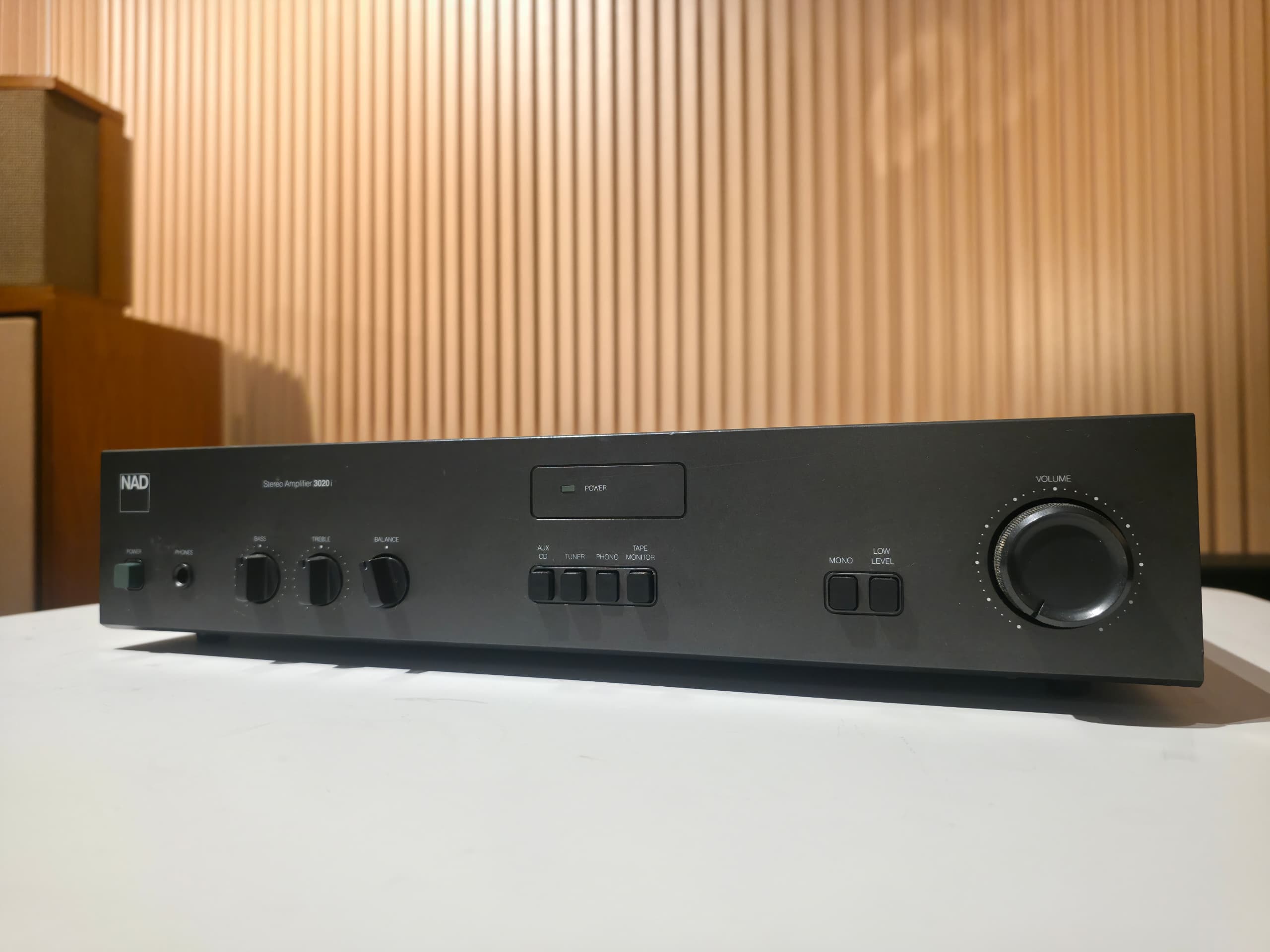
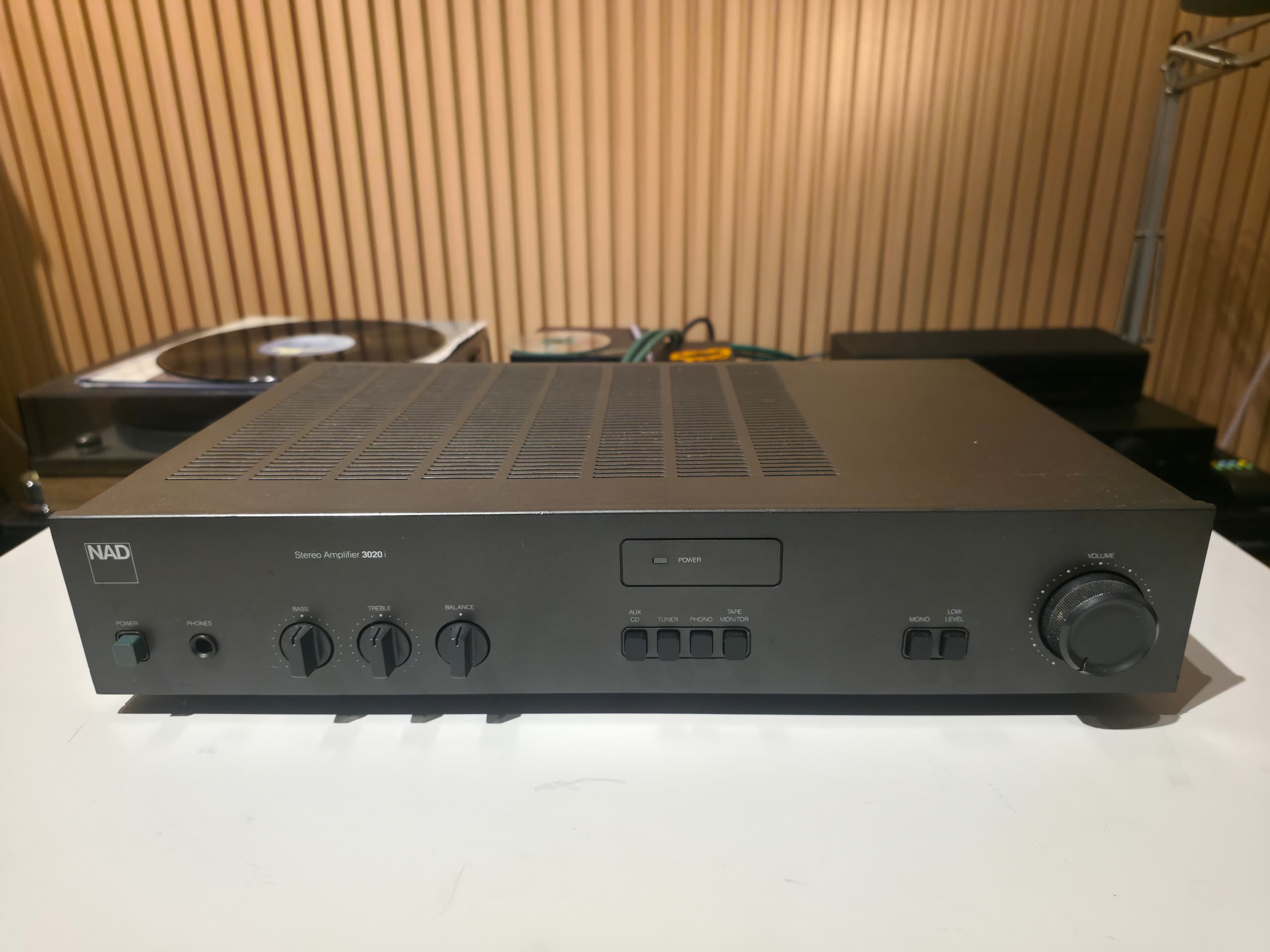
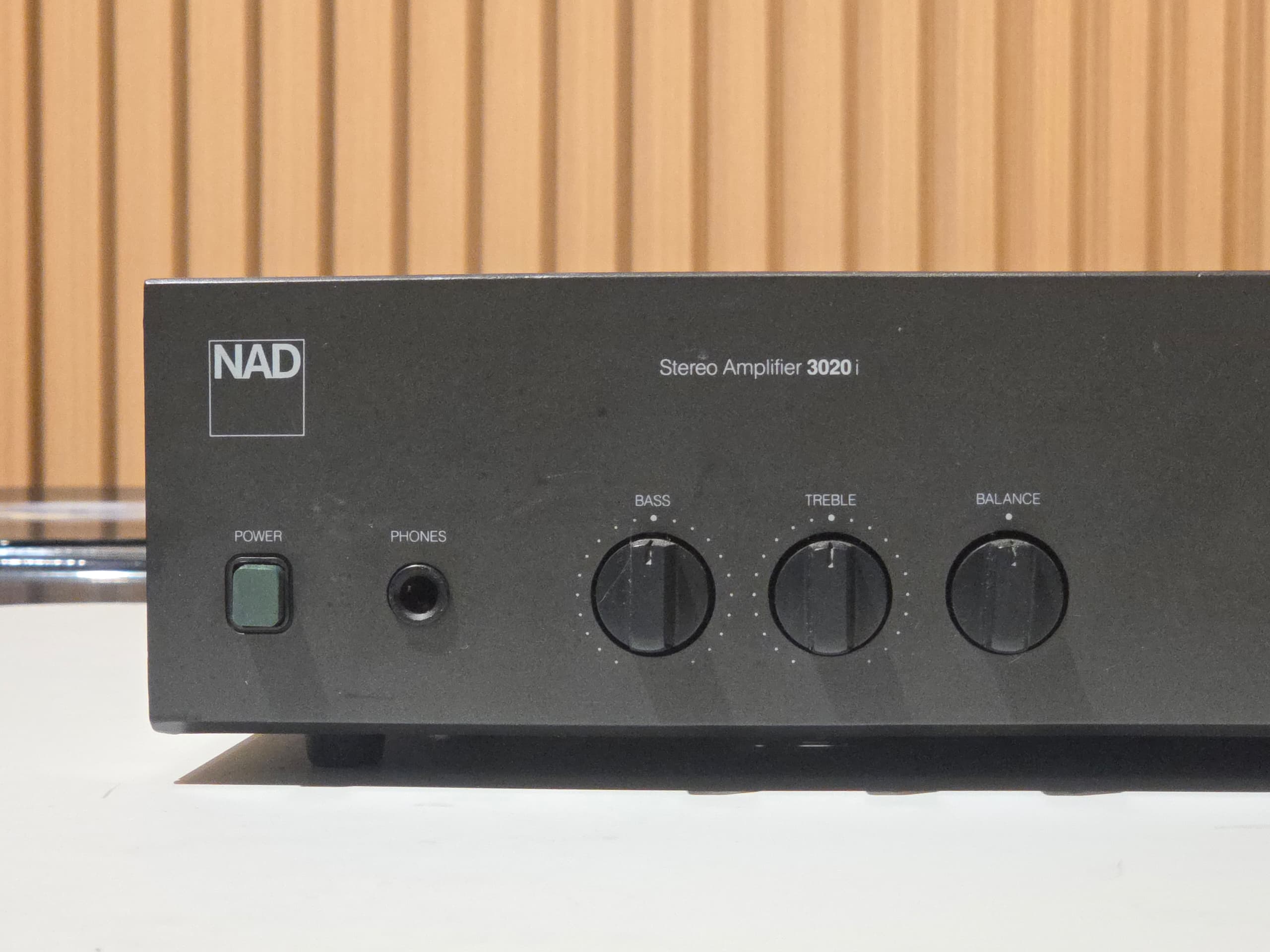
Legendary NAD 3020i Integrated Amp with Phono Stage and Preamp
RM1,100.00
⚡ NAD 3020i | The Giant Slayer
The NAD 3020i is the refined, late-generation evolution of the most famous budget amplifier in hi-fi history. While rival Japanese brands in the late 80s were fighting “power wars” with flashy silver faces and massive wattage claims, NAD focused on “real-world” power—designing an ugly, grey box that could drive difficult speakers and deliver a warm, musical soul that shamed amplifiers five times its price.
✨ Summary of Features
-
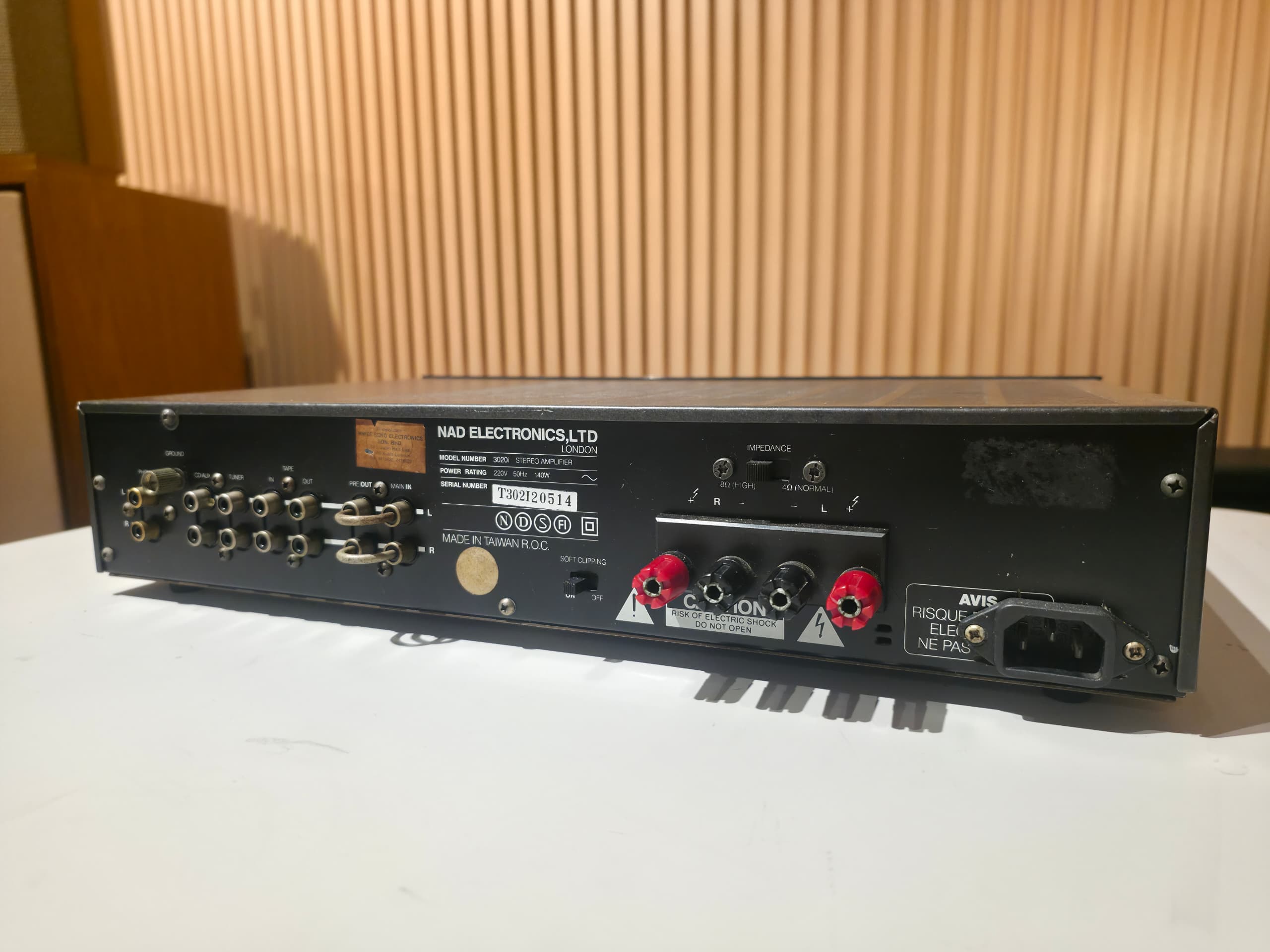
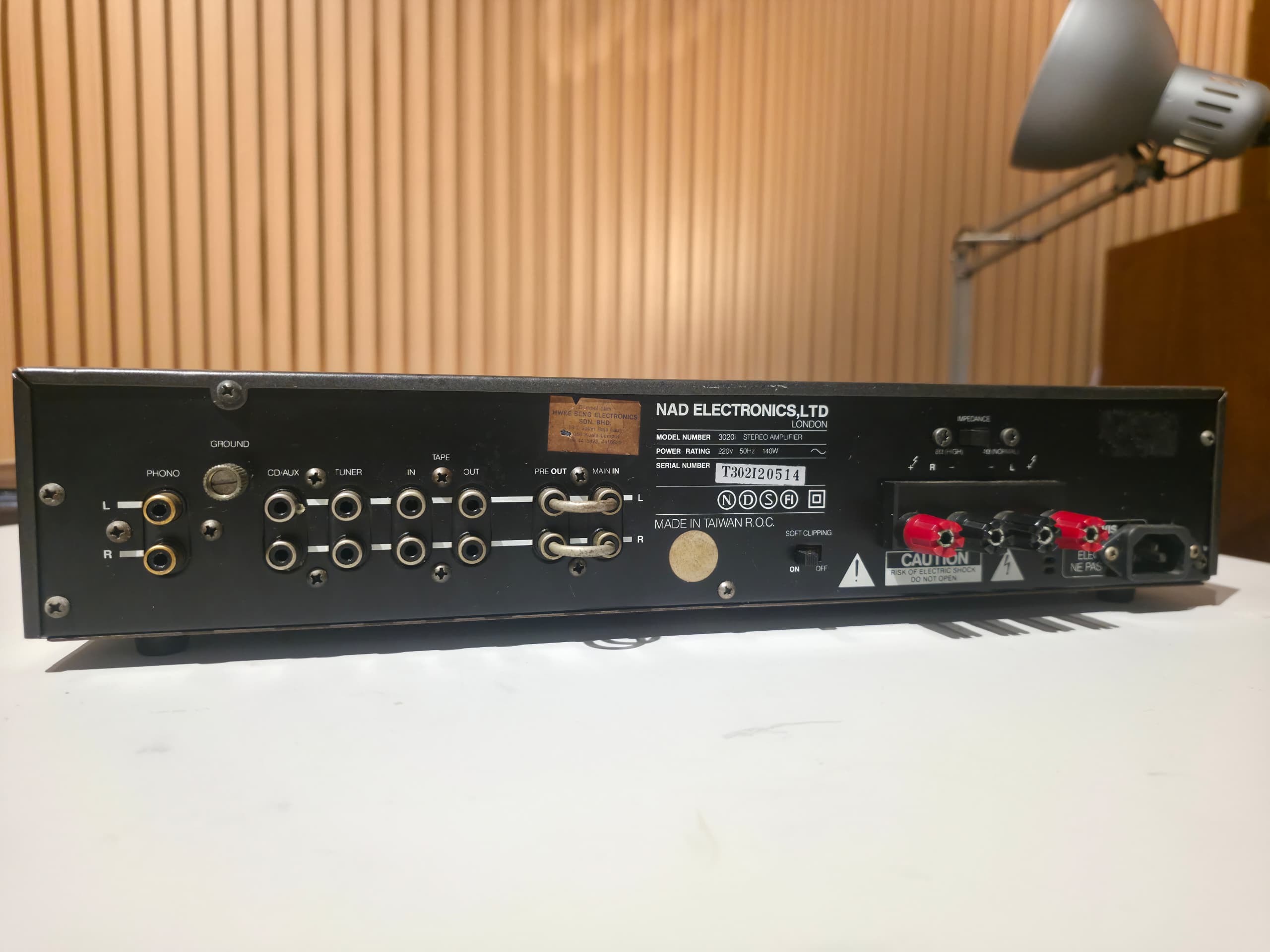
🍦 Soft Clipping™ A legendary NAD innovation. When pushed to its limits, the 3020i doesn’t “square off” the musical wave (which sounds harsh and kills tweeters). Instead, it gently rounds the peaks, maintaining a musical sound even at high volumes.
-
💪 High Current Design Don’t let the “20 Watts” fool you. The 3020i is built to handle low-impedance speaker loads that would cause other budget amps to overheat or shut down. It delivers “thick,” authoritative sound that feels much larger than its rating.
-
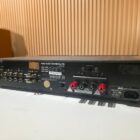
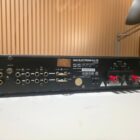
🛠️ Audiophile Flexibility Unlike most entry-level gear, the “i” version features rear-panel jumpers. This allows you to use it strictly as a high-quality Pre-amp or as a standalone Power Amp, providing a clear path for future system upgrades.
🎹 The Performance The NAD 3020i is the definition of musicality. It possesses a “dark” and “creamy” character that is incredibly forgiving to older recordings or sharp-sounding digital sources. While it lacks the clinical “razor-sharp” detail of modern Class-D amps, it replaces it with a rich, tube-like midrange and a bass response that is surprisingly punchy and well-extended.
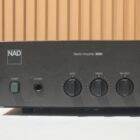
🎶 The “NAD Magic” This is the amplifier that taught a generation of listeners that quality watts beat quantity watts. It excels at reproducing vocals with a “sweet and sensual” touch. It isn’t trying to be a laboratory instrument; it’s trying to be a live performance. Its simple, “no-glitz” grey plastic faceplate tells you exactly where the money went: into the high-voltage internal components.