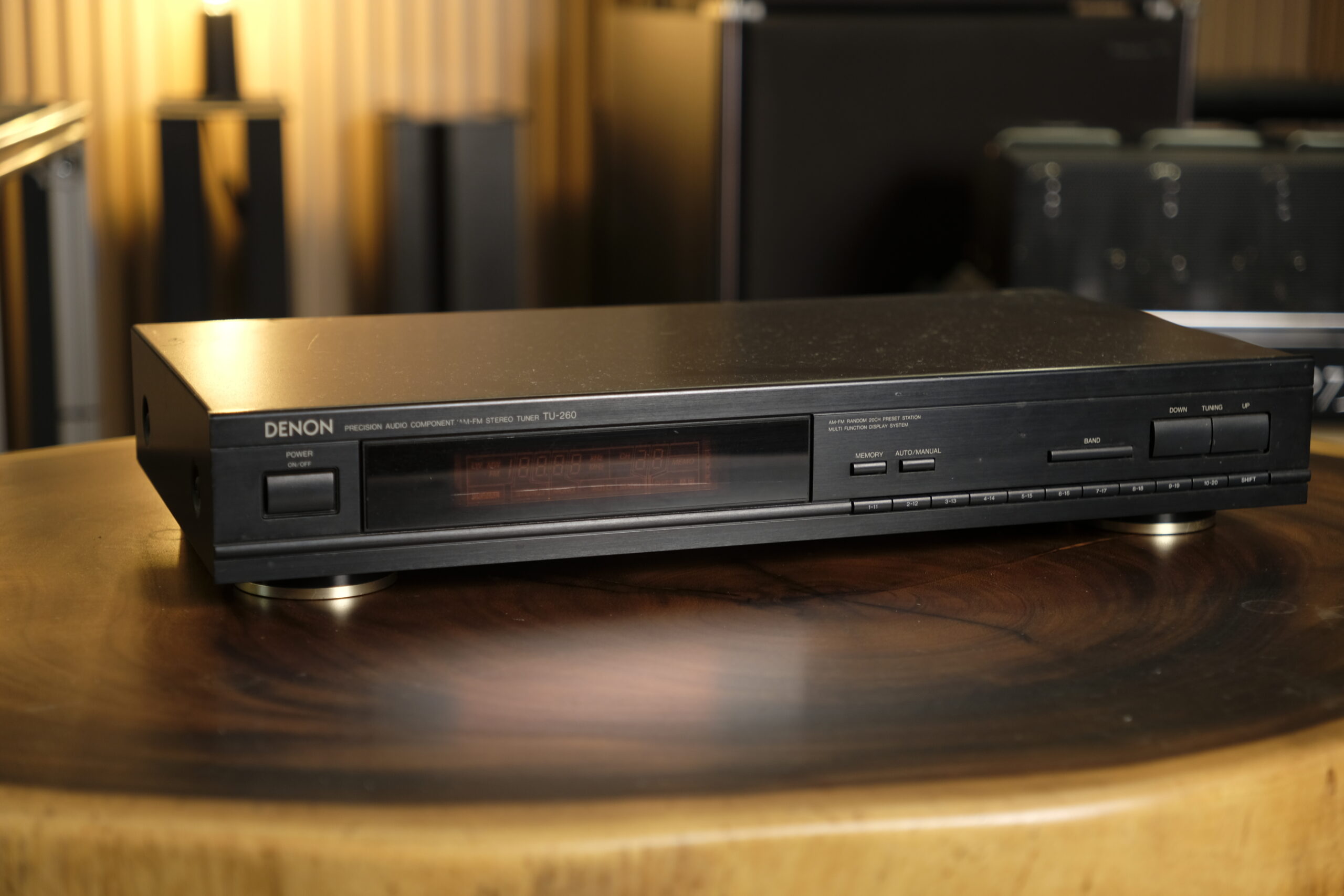
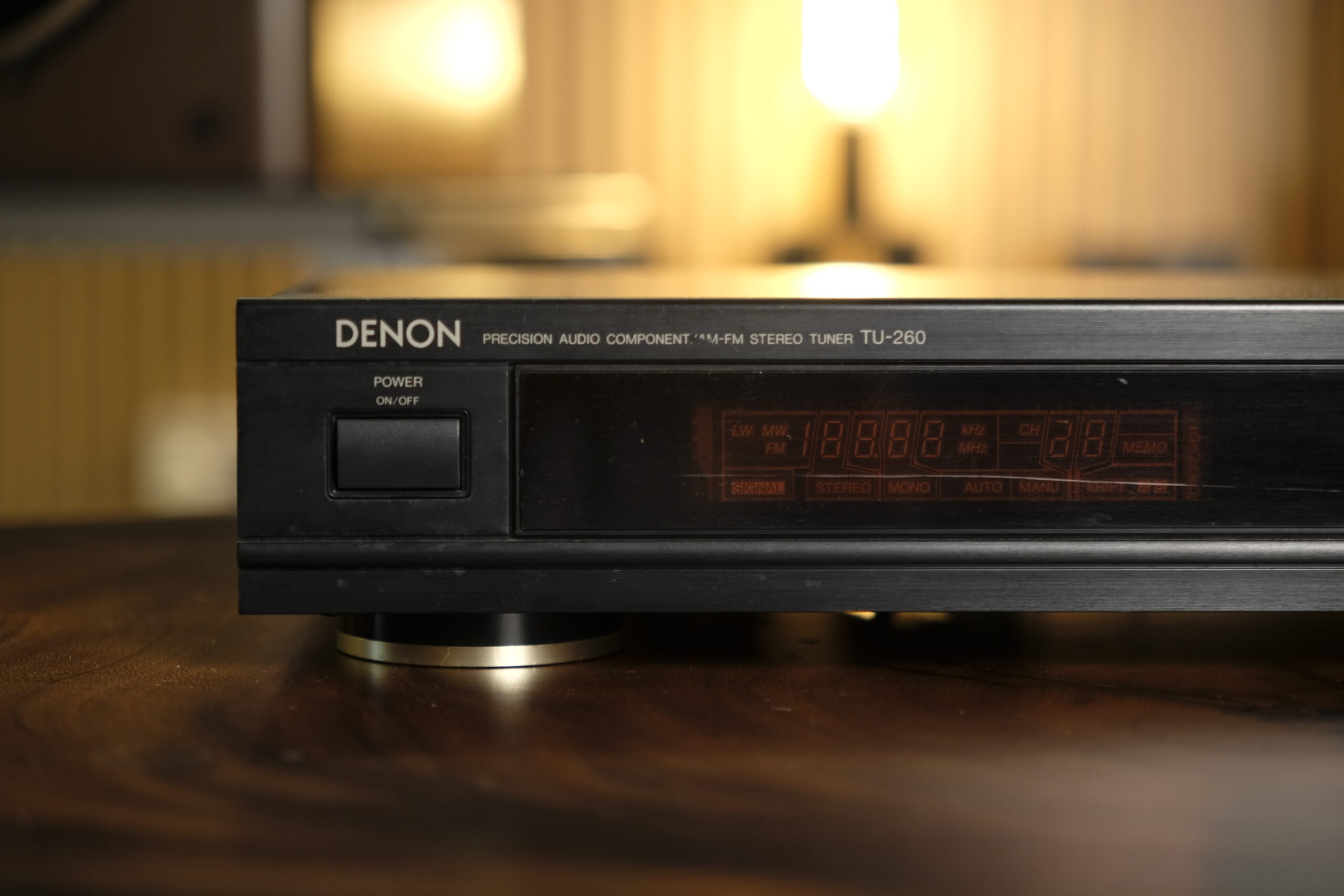
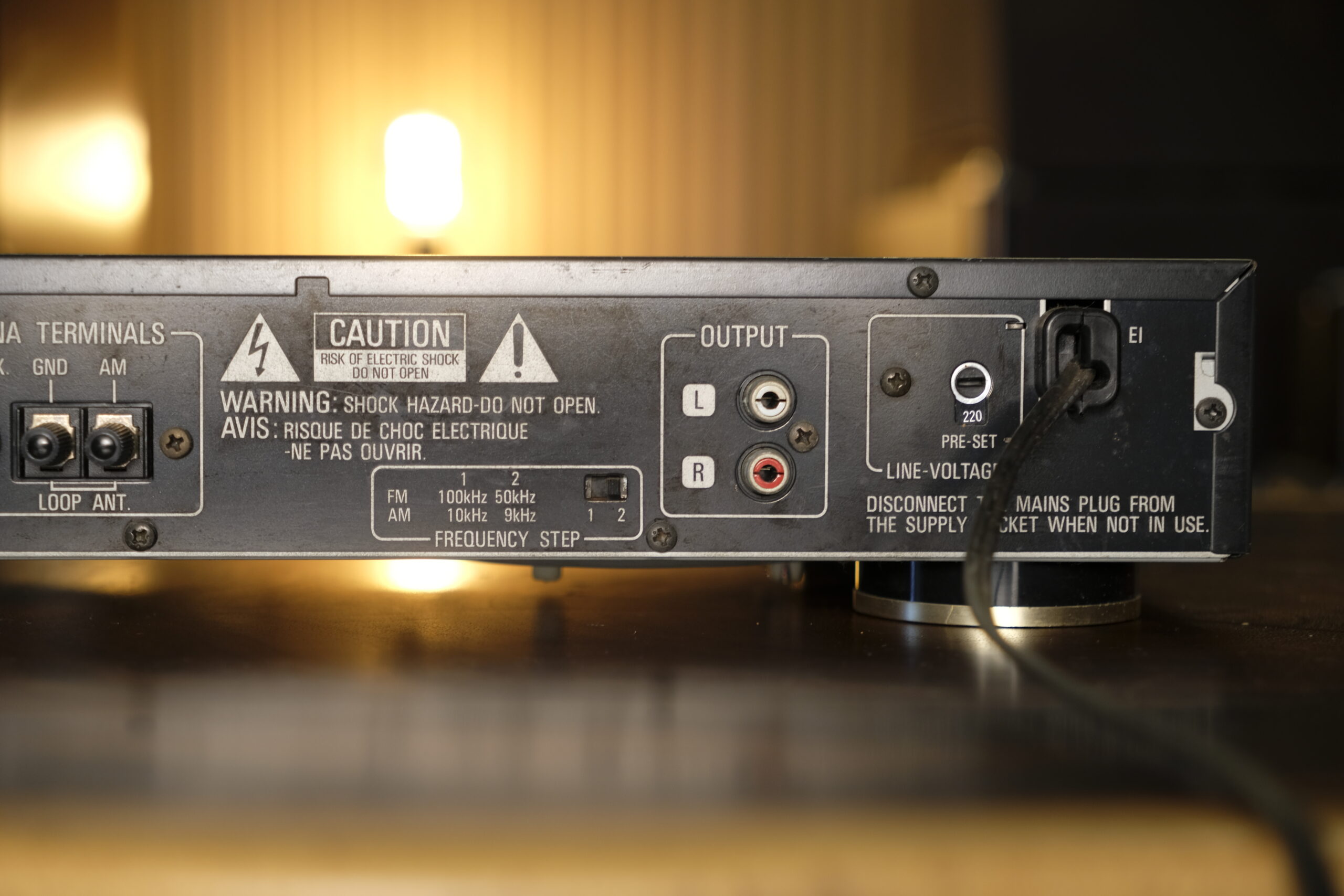
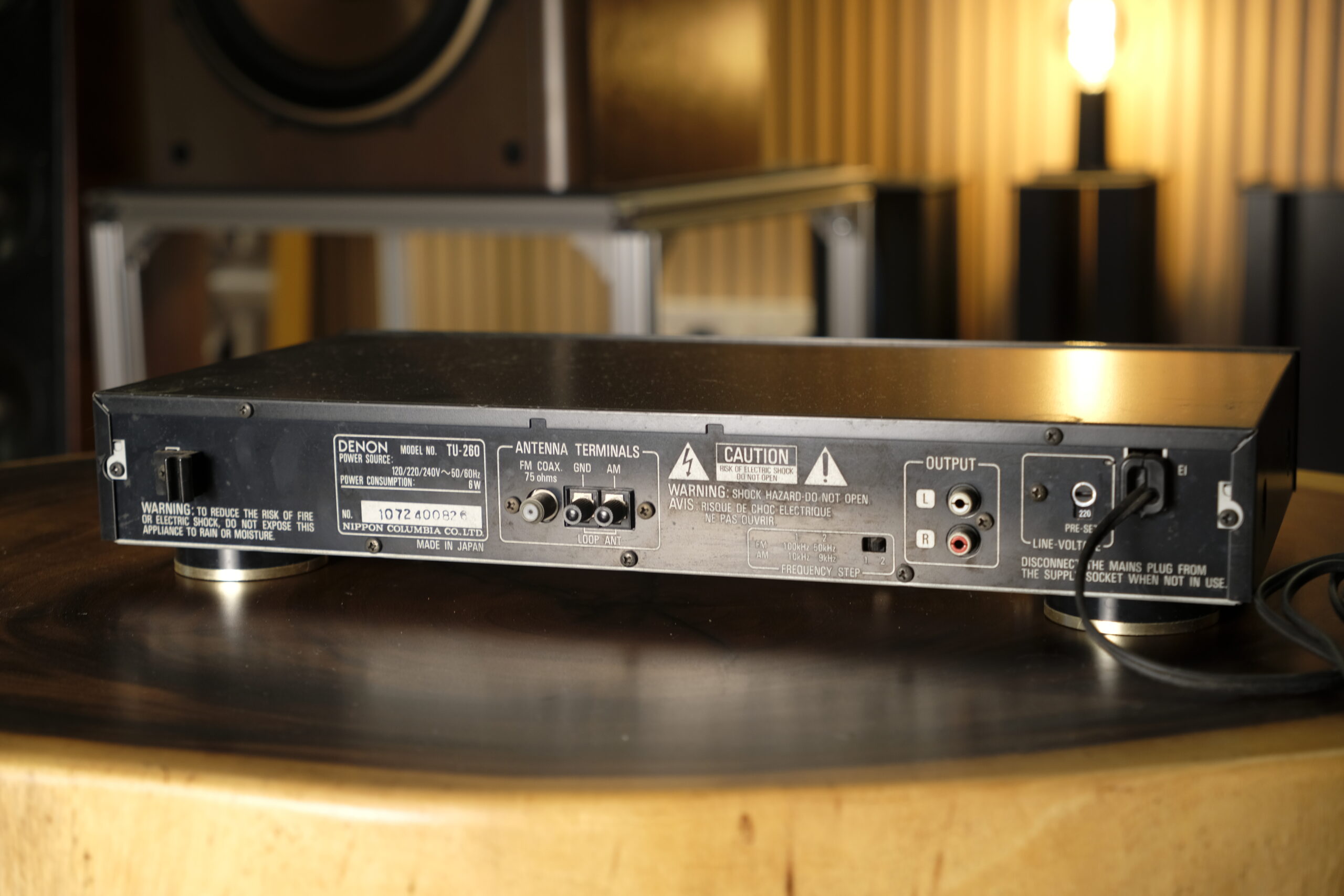
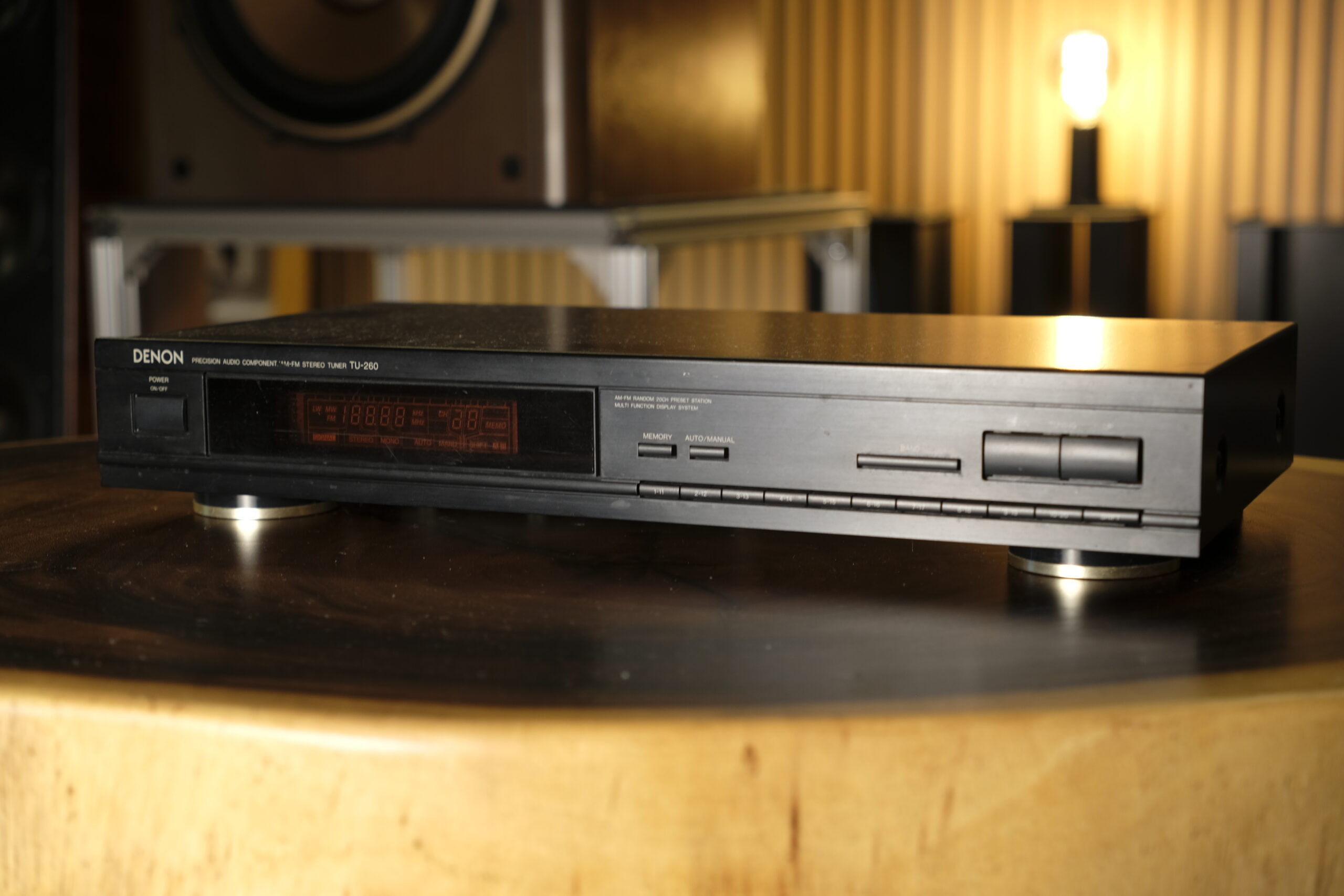
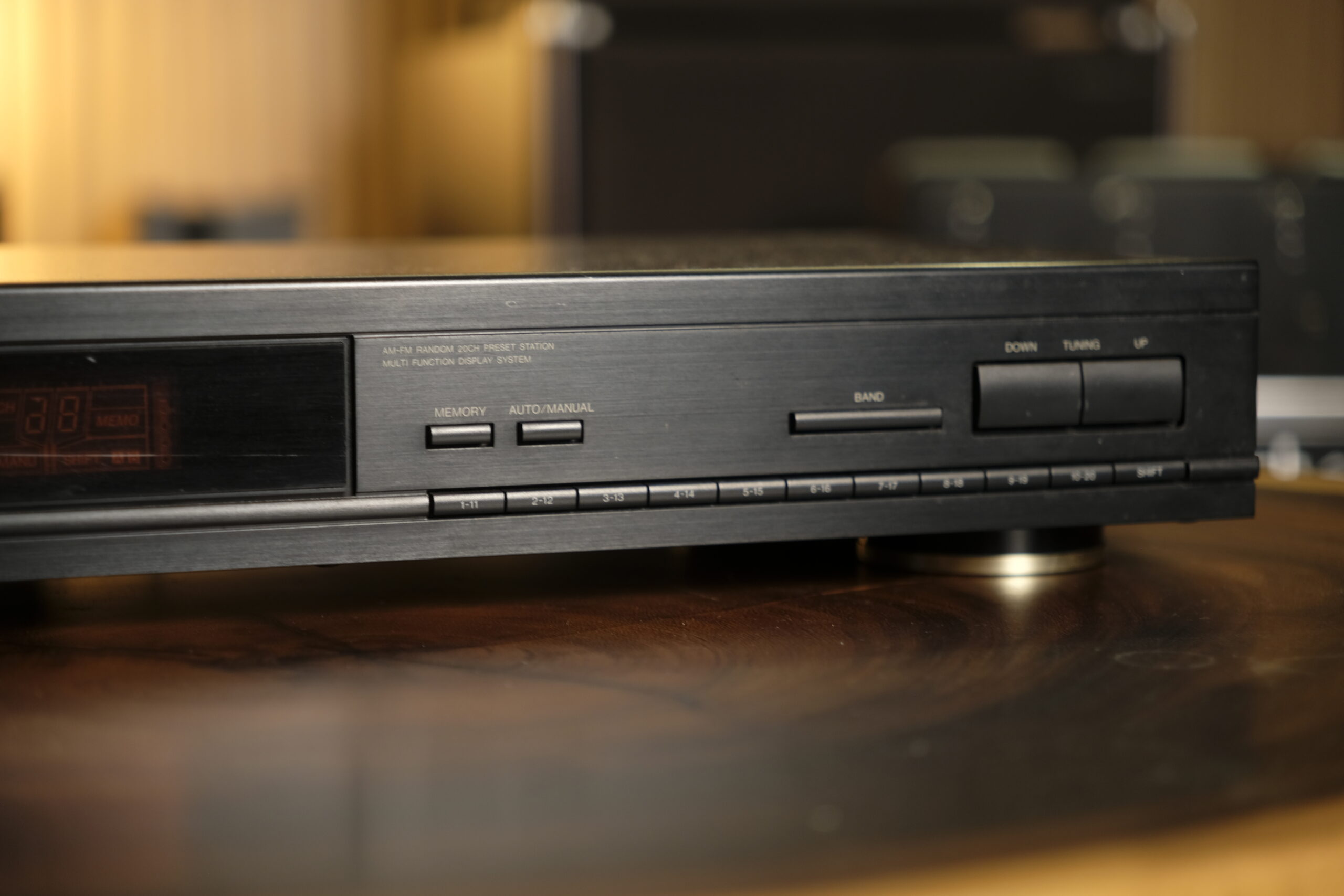
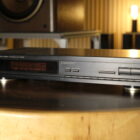
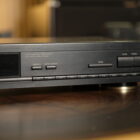
DENON TU-260 Legendary FM/AM Tuner Hi-Fi Audio Japan
RM890.00
The great pantheon of hi-fi is crowded with celebrated icons—the Linn LP12, Technics SL-1200, Naim NAP250, and the legendary NAD 3020. Yet, true audiophile folklore is born when an unassuming, budget-defying component quietly disrupts the status quo. Enter the Denon TU-260. Launched in 1990, this remarkable FM/AM tuner enjoyed an astonishing sixteen-year production run. While the mainstream press of the day largely overlooked it in favor of esoteric, high-priced royalty, the underground audiophile community knew better. The TU-260 was the definitive, dark-horse choice for listeners who demanded the organic, liquid presentation of a Magnum Dynalab, Leak Troughline, or Naim NAT-01, but preferred to channel their capital into their turntable or loudspeaker budget.
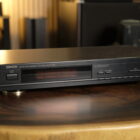
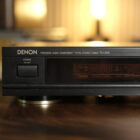
At first glance, the TU-260 is an exercise in considered minimalism, housed in a slimline, resonance-damping chassis that keeps the signal path intentionally short and clean. By the time the refined MkII version arrived, Denon wisely preserved the exceptional core RF circuitry while adding audiophile-friendly ergonomics, including a beautifully weighted rotary tuning knob, expanded 40-station preset memory, and RDS functionality. Under the hood, Denon’s engineering focus was entirely on optimizing signal-to-noise ratios and cross-talk rejection, ensuring that the fragile multiplex stereo signal remained completely unpolluted by digital clock noise or control circuitry.
Architectural Breakdown
Sonic Signature
Sonically, the TU-260 completely shatters the expectations typically associated with entry-level components. It yields a wonderfully open, transparent, and three-dimensional presentation. Spin the dial to a live, uncompressed broadcast, and the soundstage images far outside the physical boundaries of your loudspeakers, throwing a cavernous, ambient depth that makes modern digital streams sound claustrophobic and “shut-in.”
Tonally, it possesses a deep, rich, and remarkably fluid mid-bass character that is entirely free from the nasal, gritty, and dry textures common in modern chip-based tuners. The Denon breathes life into the midrange, rendering vocals with a highly natural, musical texture. It thrives on high-quality source material, yet possesses a rare, forgiving refinement that tames the aggressive compression of commercial broadcasts. Today, while it commands pennies on the secondary market, its performance remains a startling reminder of what pure analog radio can achieve. For any purist looking to add a world-class analog source to their system without the high-end price tag, the TU-260 is an absolute must-buy.